
Restful sleep is essential for a healthy mind and body—but for many people, it can feel frustratingly out of reach. If you’re tired of tossing and turning, you’re not alone.
The good news? There are plenty of ways to improve your sleep without relying on medication. Simple changes to your daily habits can make a big difference in the quality of your rest.
Why Drug-Free Sleep Solutions Matter
Many people are wary of using sleep medications due to concerns about side effects or dependency. While medication can help in certain cases, most sleep problems respond well to changes in routine and environment.
Focusing on non-drug sleep tips puts you in control of your sleep health, often leading to more sustainable, long-term improvements.
Strengthen Your Sleep Hygiene
Sleep hygiene refers to the habits and environment that support healthy sleep. Small changes can add up to big results:
- Keep a regular sleep schedule: Go to bed and wake up at the same time each day—even on weekends.
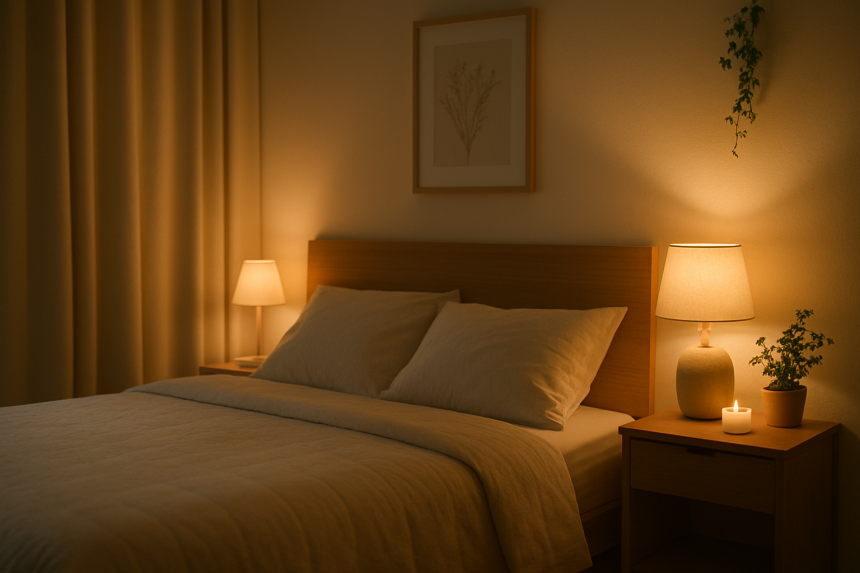
- Make your bedroom restful: Keep it dark, quiet, and cool. Use blackout curtains and white noise if needed.
- Reserve your bed for sleep: Avoid working, watching TV, or scrolling on your phone in bed.
- Limit naps: If you need to nap, keep it under 30 minutes and avoid late-afternoon naps.
Create a Calming Bedtime Routine
Ease your body and mind into sleep mode with a relaxing routine each night. This helps signal to your brain that bedtime is approaching.
- Dim the lights about an hour before bed.
- Try gentle activities like reading, listening to soft music, or taking a warm bath.
- Avoid stimulating activities, such as checking emails or intense exercise, close to bedtime.
- Practice relaxation techniques: deep breathing, gentle stretching, or mindfulness meditation.
Watch Your Caffeine and Alcohol Intake
Caffeine is a well-known sleep disruptor. It can stay in your system for up to eight hours, making it harder to fall asleep and reducing sleep quality.
- Limit caffeine: Cut off coffee, tea, cola, and energy drinks by early afternoon.
- Be mindful of hidden sources: Chocolate and some medications contain caffeine, too.
Alcohol can make you feel sleepy at first, but it often leads to lighter, fragmented sleep later in the night. Try to avoid drinking alcohol for several hours before bed.
Manage Blue Light Exposure
Blue light from phones, tablets, and computers can interfere with your body’s natural sleep-wake cycle. It suppresses melatonin, a hormone that helps you feel sleepy.
- Reduce screen time: Aim to turn off devices at least an hour before bed.
- Use night mode: Many devices have settings to reduce blue light in the evening.
- Consider blue light blocking glasses: These may help if you can’t avoid screens at night.
Rethink Your Evening Eating Habits
What you eat (and when) can influence your sleep. Heavy, spicy, or rich meals close to bedtime can cause discomfort and disrupt rest.
- Try to finish eating at least two to three hours before bed.
- If you’re hungry late at night, opt for a light snack—such as a banana, yogurt, or a small handful of nuts.
Some people find it helpful to avoid too much liquid in the evening, to minimize nighttime bathroom trips.
Get Moving—But at the Right Time
Regular physical activity can help you fall asleep faster and enjoy deeper sleep. However, timing matters.
- Exercise earlier in the day or late afternoon for the best sleep benefits.
- If you prefer evening workouts, keep them at least one to two hours before bedtime.
Gentle movement, like stretching or yoga, can be included in your bedtime routine to help you wind down.
Consider Natural Sleep Aids Carefully
Some people turn to natural sleep aids like herbal teas or supplements. While these may help some individuals, their effectiveness varies, and not all are supported by strong research.
- Chamomile or lavender tea: Sipping a caffeine-free herbal tea can be a calming bedtime ritual.
- Melatonin supplements: Some people find these helpful for occasional sleep troubles, but speak to a clinician first, especially if you take other medications.
- Magnesium-rich foods: Incorporating foods like leafy greens, nuts, seeds, and whole grains may support relaxation.
Always consult a healthcare professional before starting any supplement, especially if you have health conditions or take prescribed medications.
Address Stress and Worry
Mental stress is a major contributor to poor sleep. If your mind races at bedtime, consider these strategies:
- Keep a notepad by your bed to jot down worries or to-do lists.
- Practice mindfulness meditation, progressive muscle relaxation, or guided imagery exercises.
- Set aside “worry time” earlier in the evening to process concerns before bedtime.
If anxiety or stress consistently interferes with your sleep, reach out to a clinician for support.
Frequently Asked Questions
What is the single most important sleep hygiene habit?
Sticking to a consistent sleep schedule—going to bed and waking up at the same time every day—is often considered the most effective habit for better sleep.
How long before bed should I cut caffeine?
It’s generally recommended to avoid caffeine at least six to eight hours before bedtime, though some people may need to stop even earlier.
Does using my phone before bed really affect my sleep?
Yes, using devices that emit blue light can interfere with melatonin production and make it harder to fall asleep. Reducing screen time in the hour before bed can help.
Are natural sleep aids safe to use?
Some natural sleep aids, like herbal teas, are safe for most people. However, supplements may interact with medications or health conditions, so it’s best to check with a clinician first.
The Bottom Line
Improving your sleep doesn’t have to mean taking medication. By building solid sleep hygiene habits, adjusting your bedtime routine, being mindful of caffeine and blue light, and managing stress, you can set the stage for deeper, more refreshing rest. If sleep problems persist, don’t hesitate to seek guidance from a healthcare professional. Better sleep is possible—one small change at a time.
Disclaimer: This article is for informational purposes only and is not medical advice. It has not been evaluated by the FDA and is not intended to diagnose, treat, cure or prevent any disease. Always talk to a qualified healthcare professional before changing your diet, supplements or medication.
