Everywhere you look, someone is promising a quick fix to ‘boost’ your immune system. Superfoods, miracle supplements, and endless lists of do’s and don’ts flood social media and store shelves alike. The promise? Fewer sick days and better health—if you eat (or buy) the right things.
But what does science really say about nutrition and immune system support? Can what you eat truly make a difference, or is most of the hype just wishful thinking? Let’s break through the noise and look at what actually works—and what doesn’t.
Understanding the Immune System
Your immune system is a complex network of cells, tissues, and organs working together to defend your body against harmful invaders. It’s not a single thing you can ‘boost’ with a magic ingredient. Instead, it relies on many factors to function well—including your overall health, sleep, stress levels, and, yes, nutrition.
Nutrition and Immune System: The Real Connection
Evidence suggests that good nutrition supports normal immune function. A balanced diet provides the building blocks your body needs to make and maintain immune cells. But there’s no single food or supplement that guarantees a stronger immune system.
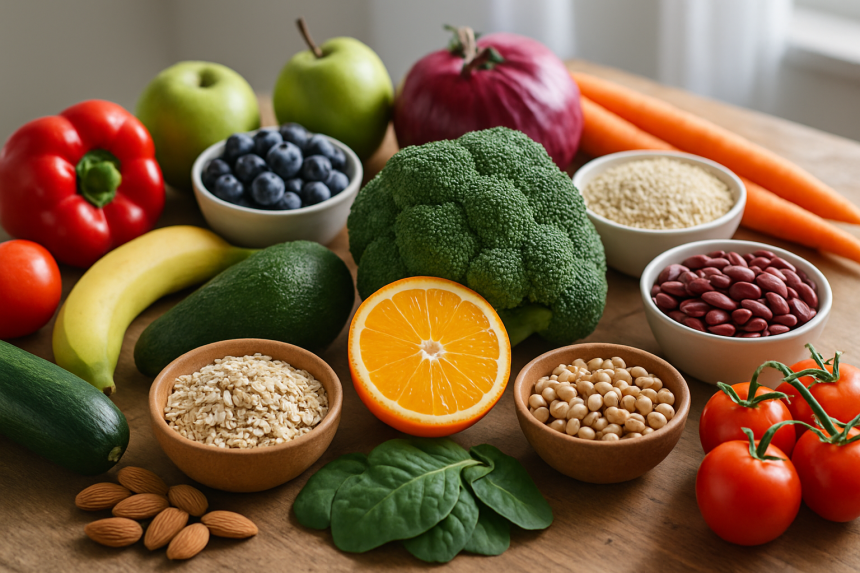
- Eating a variety of fruits and vegetables supplies vitamins and antioxidants.
- Proteins help build immune cells and antibodies.
- Healthy fats, like those in nuts and olive oil, support cell function.
- Whole grains offer fiber and nutrients for gut health, which is closely linked to immunity.
Dietary Patterns Matter More Than Single Foods
Research points to overall dietary patterns—not individual foods—as the most important factor. Diets rich in plant foods, lean proteins, and healthy fats are linked to better health outcomes, including immune health.
- The Mediterranean-style diet, full of vegetables, fruits, legumes, fish, and olive oil, is often associated with lower inflammation.
- Diets high in ultra-processed foods, sugar, and saturated fats may contribute to inflammation and poorer immune responses.
In short, your daily eating habits matter much more than any single ‘superfood.’
Vitamin C Myths and Facts
Vitamin C is probably the most famous ‘immune booster.’ Many people reach for supplements or orange juice at the slightest sniffle. But does it really work?
- Vitamin C is essential for immune cell function, but most people get enough from a balanced diet.
- Studies have generally found that extra vitamin C doesn’t prevent most people from getting colds, though it might slightly shorten their duration for some.
- High-dose supplements can cause stomach upset and aren’t recommended for everyone.
Your best bet? Include vitamin C-rich foods like citrus, peppers, and berries in your meals, but don’t expect miracles from supplements.
Zinc and Immunity: What’s the Evidence?
Zinc is another nutrient often linked with immune health. It plays a key role in the development and function of immune cells.
- Getting enough zinc, through food like beans, nuts, seafood, and whole grains, supports normal immune responses.
- Some studies have suggested zinc lozenges may help reduce the length of colds if taken early, but results are mixed and benefits appear modest.
- Too much zinc from supplements can be harmful and may disrupt the balance of other nutrients.
For most people, a balanced diet provides enough zinc. If you’re concerned about your intake, speak to a clinician before starting supplements.
Supplements: Helpful or Hype?
The supplement aisle is packed with products promising to ‘boost’ your immune system. But do you need them?
- Supplements may be helpful if you have a diagnosed deficiency or special dietary needs.
- Most healthy adults can meet their needs through food.
- More isn’t always better—high doses of some vitamins and minerals can be harmful.
Always talk to a healthcare provider before starting new supplements, especially if you have health conditions or take medications.
Other Factors That Influence Immunity
Nutrition is just one piece of the puzzle. Other lifestyle factors also make a big difference in immune health:
- Sleep: Poor sleep can weaken immune defenses.
- Stress: Chronic stress may lower immune function.
- Physical activity: Regular, moderate exercise supports overall health, including the immune system.
- Hygiene: Washing hands and safe food handling prevent infections directly.
Think of your immune system as a team sport: nutrition is a key player, but not the only one.
Frequently Asked Questions
Can certain foods prevent me from getting sick?
No single food can prevent illness. A balanced diet supports your immune system, but it can’t guarantee you won’t get sick. Focus on overall healthy habits.
Should I take immune-boosting supplements?
Most people don’t need supplements if they eat a varied diet. If you think you have a deficiency or want to try a supplement, check with a healthcare professional first.
Are ‘superfoods’ real?
Superfoods are a marketing term, not a scientific one. Many healthy foods support your immune system, but no single food works magic on its own.
How do I know if my diet is supporting my immune system?
If you’re eating a variety of fruits, vegetables, whole grains, lean proteins, and healthy fats, you’re likely on the right track. For personal advice, consult a registered dietitian or your healthcare provider.
The Bottom Line
While there’s no quick fix or miracle food for a stronger immune system, good nutrition truly matters. Focusing on balanced, varied meals and overall healthy habits is your best bet for supporting your body’s natural defenses. Skip the fads, enjoy a colorful plate, and talk to a clinician if you have specific health concerns or questions about supplements.
Disclaimer: This article is for informational purposes only and is not medical advice. It has not been evaluated by the FDA and is not intended to diagnose, treat, cure or prevent any disease. Always talk to a qualified healthcare professional before changing your diet, supplements or medication.