Heartburn can strike at the most inconvenient times—after a favorite meal, during a night out, or even when lying down for sleep. The burning sensation is uncomfortable, disruptive, and all too common.
While medications are widely available, many people prefer to explore natural, non-drug options first. By making a few simple changes in daily habits and diet, it’s often possible to ease heartburn and keep symptoms in check.
Understanding Heartburn and Acid Reflux
Heartburn happens when stomach acid makes its way up into the esophagus, causing a burning feeling in the chest or throat. This is sometimes called acid reflux, and if it happens often, it’s known as GERD (gastroesophageal reflux disease).
Common triggers include certain foods, overeating, lying down soon after meals, and stress. Knowing your own triggers can be a big step towards managing symptoms naturally.
Identify and Avoid Common Trigger Foods
Some foods and drinks are well-known for making heartburn worse. While triggers are different for everyone, these are some common culprits:
- Spicy foods (like hot peppers and salsa)
- Fatty or fried foods
- Citrus fruits and juices
- Tomato-based products (such as pasta sauces, ketchup, pizza sauce)
- Chocolate
- Onions and garlic
- Caffeinated drinks (coffee, tea, colas)
- Alcohol
- Carbonated beverages
Try keeping a food diary to spot personal triggers. Limiting or avoiding these foods, especially before bedtime, can make a noticeable difference for many people.
Eat Smaller, Slower Meals
Eating large meals can put pressure on the stomach, making it easier for acid to escape upwards. Instead, aim for smaller portions spread out over the day.
- Have 4-5 smaller meals rather than two or three big ones.
- Eat slowly and chew thoroughly. This gives your digestive system time to process food.
- Avoid eating in a rush or while distracted, as this can lead to swallowing more air and overeating.
Stay Upright After Eating
Gravity is your friend when it comes to heartburn relief. Lying down or bending over after a meal can make acid reflux more likely.
- Try to stay upright for at least 2-3 hours after eating.
- If you need to bend over, bend at the knees rather than the waist.
- A gentle post-meal walk can help digestion, but avoid vigorous exercise immediately after eating.
Choose Heartburn-Friendly Beverages
Some drinks are more likely to trigger heartburn than others. Swapping out certain beverages may help reduce symptoms.
- Opt for still water, herbal teas (like chamomile or ginger), or non-citrus juices.
- Limit coffee, black tea, sodas, energy drinks, and alcohol.
- If you notice any drink consistently sets off your heartburn, try reducing or avoiding it to see if symptoms improve.
Adjust Your Sleep Position
Heartburn is often worse at night. The way you sleep can have a big impact on symptoms.
- Raise the head of your bed by 6 to 8 inches using blocks or a wedge pillow. This helps keep acid down while you sleep.
- Try sleeping on your left side, which may help reduce acid exposure in the esophagus.
- Avoid lying flat on your back or right side if these positions make your heartburn worse.
Good sleep hygiene—such as allowing at least 2-3 hours between your last meal and bedtime—can also help.
Maintain a Healthy Weight
Carrying extra weight, especially around the abdomen, can increase pressure on the stomach and make heartburn more likely. Research shows that even small amounts of weight loss can have a positive effect on reflux symptoms.
Healthy, gradual weight management through balanced eating and regular physical activity is one of the most effective lifestyle changes for GERD and heartburn prevention.
Wear Comfortable Clothing
Tight belts, waistbands, or shapewear can increase pressure on the stomach and push acid upwards. Wearing looser, more comfortable clothing—especially during and after meals—can help reduce heartburn episodes.
Manage Stress for Gut Health
Stress and anxiety don’t directly cause acid reflux, but they can make symptoms worse for some people. Stress may also affect digestion and eating habits.
- Practice relaxation techniques like deep breathing, meditation, or gentle yoga.
- Take time to enjoy meals without distractions, which can help you eat more slowly and mindfully.
- Regular physical activity, even a daily walk, can help manage stress and support digestion.
When to Speak With a Clinician
While natural heartburn relief strategies can make a big difference, it’s important to know when to seek professional help. Persistent, severe, or worsening symptoms should never be ignored.
- If you have heartburn more than twice a week, or if it’s not improving with lifestyle changes, speak to a healthcare professional.
- See a clinician promptly if you notice trouble swallowing, unexplained weight loss, vomiting, or chest pain.
- Never stop prescribed medications or make major changes without medical advice.
Frequently Asked Questions
What are some quick natural heartburn relief tips?
Try drinking a glass of water, chewing sugar-free gum, or taking a gentle walk after eating. Avoid lying down or bending over, and note any foods that may have triggered your symptoms.
Can certain foods help prevent heartburn?
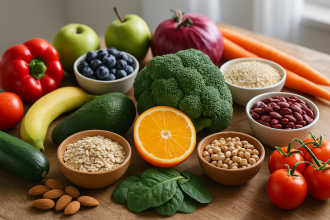
Some people find that non-citrus fruits, oatmeal, whole grains, and vegetables like broccoli or green beans are less likely to trigger symptoms. Every person is different, so it can help to track what works for you.
How does sleep position affect heartburn?
Raising the head of your bed and sleeping on your left side may help keep stomach acid from flowing back into your esophagus during the night, reducing nighttime heartburn.
Are there any drinks that soothe heartburn?
Water and non-caffeinated, non-citrus herbal teas (like ginger or chamomile) are often gentle on the stomach. Avoiding alcohol, coffee, and sodas can also help some people.
The Bottom Line
Heartburn doesn’t always require medication. With a few mindful changes—like adjusting your diet, meal habits, sleep position, and managing stress—you can often find natural heartburn relief. Listen to your body, track your triggers, and don’t hesitate to reach out to a clinician for ongoing or severe symptoms. Comfortable, symptom-free days and nights are possible with the right combination of lifestyle tweaks and self-care.
Disclaimer: This article is for informational purposes only and is not medical advice. It has not been evaluated by the FDA and is not intended to diagnose, treat, cure or prevent any disease. Always talk to a qualified healthcare professional before changing your diet, supplements or medication.